Our journey through tech media's evolution begins long before smartphones, in a world where information dissemination was as slow as a horse-drawn carriage. News was a closely guarded secret, accessible only to the powerful elite. This changed dramatically with Gutenberg's printing press. Its invention, seemingly simple today, revolutionized information access, empowering individuals and fueling the Reformation and Scientific Revolution. The printing press laid the groundwork for the media landscape we know today—a world where information is power. But how did this power shift from the few to the many? Learn more about the personal computer era which greatly accelerated this shift.
The Rise of Instant Communication
Electricity was the next transformative force, not just as a new gadget, but as a new mode of communication. The telegraph and telephone, born in the 19th century, drastically reduced communication time. Messages that once took weeks to travel now crossed continents almost instantaneously. This unprecedented speed radically altered global perspectives, fostering a more connected world and accelerating globalization. Think about it: How did this near-instant communication impact international trade and political relations?
Radio broadcasting amplified this revolution, enabling single voices to reach millions simultaneously. The power of the human voice, amplified on such a scale, was revolutionary. Television, introducing a visual dimension, further immersed audiences in storytelling. Each innovation built upon the last, steadily reshaping our information consumption and entertainment experiences.
The Digital Revolution and Beyond
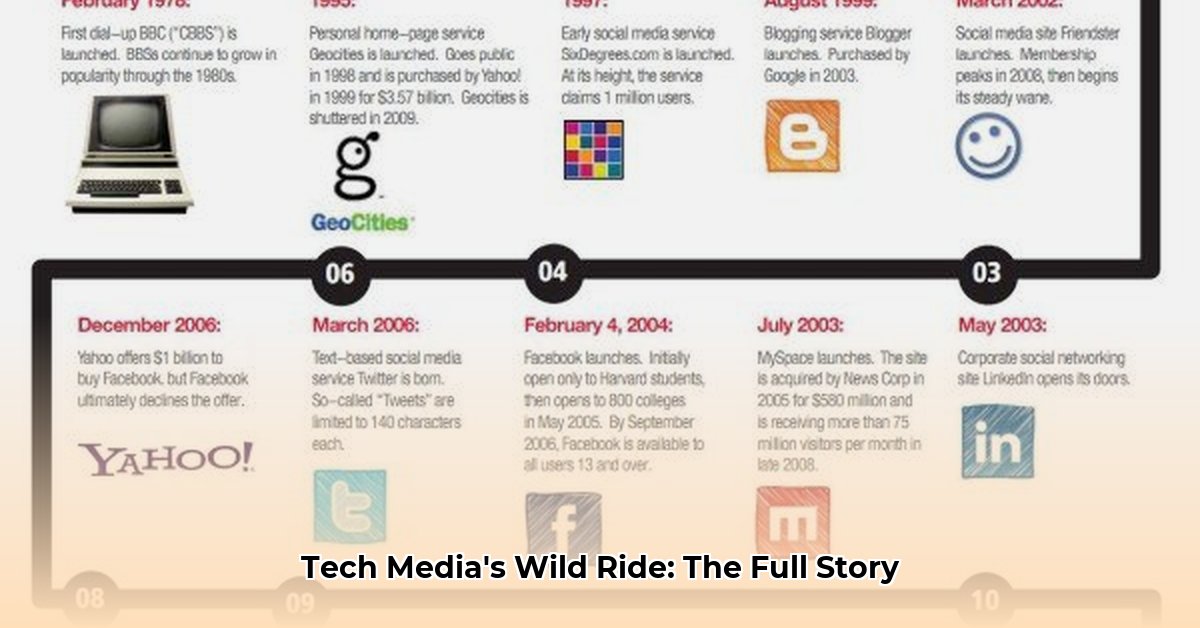
The digital revolution, arguably the most significant shift, transformed the internet from a military project into a global network connecting billions. It wasn't just about accessing information; it was about interaction, sharing, and global connection. Websites, blogs, and social media became new public forums, transitioning us from passive recipients to active participants in a global conversation. Information became democratized as never before. Did this sudden access to global communication have unintended social consequences?
Smartphones then placed nearly limitless information in our pockets. The world became instantly accessible; social media exploded, connecting people in unprecedented ways. This ease of connection, however, also presented significant challenges. The rapid spread of misinformation and the formation of "echo chambers" became pronounced concerns. This is an example of how technology can both enable and hinder communication.
Navigating the Challenges of the Digital Age
The evolution of tech media isn't solely a story of progress; it's a narrative of both remarkable advancements and considerable challenges. We've shifted from a world of information control by a select few to one where anyone can share information globally. While this democratization is liberating, it also necessitates responsible usage. How can we effectively promote responsible and ethical information sharing in this democratized information environment?
Artificial intelligence (AI) introduces another layer of complexity. Algorithms, the unseen forces behind many digital experiences, bring ethical considerations to the forefront. Algorithmic bias, the potential for AI-generated deepfakes, and privacy concerns are paramount. How do we ensure AI is used responsibly and ethically in the media? This is an ongoing discussion critical to our future.
The Future of Tech Media: Trends and Uncertainties
Predicting the future is inherently risky, but certain trends appear likely. Media convergence, a merging of various platforms into seamless experiences, seems inevitable. Immersive technologies like virtual and augmented reality will likely redefine media experiences. AI will continue to personalize content, offering both convenience and potential ethical pitfalls. What new challenges and opportunities will these converging trends present?
The future hinges on how we manage our digital interactions. How do we foster an ethical and balanced media landscape? These are critical questions that will shape our discussions for years to come. Understanding the past, present, and potential future of this evolution is crucial in navigating this ever-changing landscape.
Key Milestones in Tech Media History Evolution
Pre-15th Century: Oral traditions and handwritten texts limited information access and control to powerful groups. Accuracy, reach, and preservation were significant challenges.
15th Century Onward: The printing press enabled mass book production, democratizing knowledge access; however, censorship and narrative control remained significant challenges.
19th Century: The telegraph and telephone introduced near-instant long-distance communication, albeit with limitations in cost and infrastructure.
20th Century: Radio and television enabled mass media broadcasts and visual storytelling; government regulations and limited audience participation became key challenges.
21st Century: The internet, smartphones, and social media fostered global connectivity, personalized content, and user-generated content. However, the spread of misinformation, privacy concerns, algorithmic biases, and platform power emerged as major concerns.
The evolution of media is a dynamic and crucial story. Adaptability and critical thinking are essential to navigate the complexities of the digital world and make informed choices regarding information consumption and sharing.